The Nature of Gambling: An Overview
Gambling captivates individuals by offering the potential for wealth, excitement, and risk. This multifaceted activity encompasses various games, each with its unique dynamics of chance and strategy. At the heart of gambling lies the interaction between luck and skill, where some games rely heavily on random outcomes while others demand strategic thinking. For those interested in new experiences, online casino australia offers a delightful mix of innovation and traditional gameplay. Understanding these elements provides insight into why people are drawn to gambling and how it shapes their experiences.
The debate around luck versus skill is prevalent within the gambling community. Many argue that games governed by chance should not be considered skill-based, while others contend that strategic thought can enhance the experience even in luck-dominated games. This ongoing discussion sheds light on the complexities inherent in gambling, revealing how players navigate the delicate balance between randomness and calculated moves. Ultimately, this intersection shapes the gambling landscape in profound ways.
Every individual brings a unique perspective to gambling, influenced by their beliefs and experiences. For instance, a novice player may approach blackjack with a mindset focused solely on luck, making decisions without understanding optimal strategies. In contrast, an experienced player recognizes the importance of skill and uses it to improve their chances. This variance highlights how the interplay between luck and skill can create a rich tapestry of experiences, making gambling a personalized journey for each participant.
The Role of Luck in Gambling
Luck serves as the foundation of many gambling activities, especially in games where outcomes are determined by chance, such as slot machines and lotteries. In these scenarios, players have little to no control over the results, making luck the sole factor in determining success. For example, winning a jackpot on a slot machine relies entirely on random number generation, and no strategy can alter the odds. This inherent unpredictability adds to the allure of such games, drawing players back for the thrill of potential rewards.
Interestingly, luck can also play an unexpected role in skill-based games. In poker, for instance, the randomness of card distribution can lead to surprising victories for less skilled players against seasoned opponents. This phenomenon exemplifies how luck can serve as an equalizer, allowing chance to disrupt the expected outcomes of skill-based competition. As a result, even the most skilled players must acknowledge luck’s influence on the game’s final results, creating a dynamic atmosphere of uncertainty.

Ultimately, luck is a powerful force in the world of gambling, providing the excitement and unpredictability that many players seek. The thrill of a sudden win or the heartbreak of an unexpected loss fuels the emotional rollercoaster that defines the gambling experience. Luck not only affects individual games but also shapes the overall gambling environment, ensuring that the element of chance remains a thrilling aspect of the adventure.
Understanding Skill in Gambling
While luck is a significant factor in gambling, skill plays a crucial role in certain games, such as poker, blackjack, and sports betting. Players who engage in these types of gambling must employ strategic thinking and informed decision-making, allowing them to influence outcomes based on their choices. Skilled players analyze probabilities, assess risks, and implement strategies that elevate their chances of success. This strategic engagement transforms gambling from mere chance into a contest of intellect and cunning.
Take poker as an example; a skilled player doesn’t rely solely on the cards dealt but also on their ability to read opponents, manage their betting strategy, and adapt to the dynamics of the game. Mastery in poker is developed through experience, as players refine their strategies and learn from both victories and defeats. While luck is a factor in the cards received, a skilled player knows how to leverage favorable situations and minimize losses when the odds are against them.
The culture surrounding skill-based gambling fosters a sense of community among players who are eager to share strategies and insights. Tournaments, forums, and instructional resources abound in these niches, creating an environment where players can continuously learn and improve. This focus on skill distinguishes certain gambling experiences from those purely based on luck, offering a more engaging and intellectually stimulating atmosphere that appeals to those seeking a deeper connection to the games.
The Interplay Between Luck and Skill
The relationship between luck and skill in gambling is intricate and multifaceted, influencing the overall player experience. Recognizing how these elements coexist can enhance both enjoyment and strategic engagement. For example, in blackjack, players must understand optimal strategies while remaining vulnerable to the whims of card distribution. This duality encourages players to strive for improvement while also accepting the inherent unpredictability of outcomes.
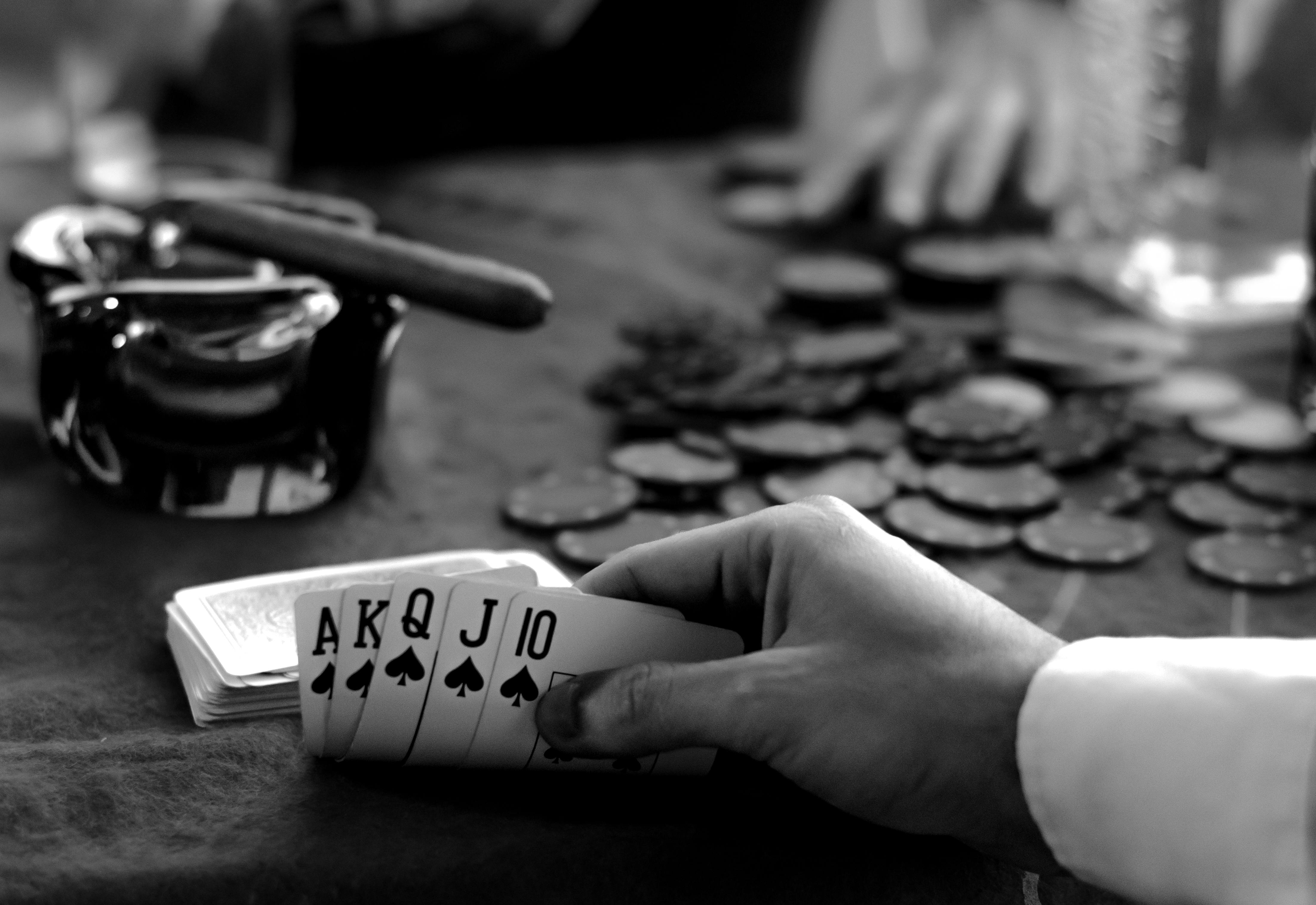
Moreover, the blend of luck and skill significantly impacts the emotional journey of gambling. The tension between a player’s strategic decisions and the unpredictable nature of luck creates a dynamic emotional landscape during gameplay. Players may revel in the satisfaction of executing a well-timed bluff in poker, only to face disappointment when an unexpected card derails their plans. This emotional engagement is a compelling aspect of gambling, as it combines intellectual challenge with the thrill of chance.
Successful players often develop strategies that effectively account for both luck and skill. They learn to manage their betting behavior, adjusting their approaches based on the game’s dynamics and their perception of luck’s influence. This balancing act requires practice and experience, demonstrating that gambling is not solely a game of chance; rather, it is about adapting and refining one’s approach over time to navigate the complexities of each game.
Final Thoughts on Gambling Dynamics
Understanding the intersection of luck and skill is vital for anyone interested in exploring the world of gambling. Whether participants are engaging in casual gaming or pursuing a more serious approach, recognizing how these elements interact can lead to a more fulfilling experience. Gambling transcends the simple thrill of winning or losing; it entails embarking on a journey that challenges both one’s luck and intellect.
As the landscape of gambling evolves, many platforms now offer resources designed to help players enhance their skills and knowledge across various games. These websites, dedicated to gambling education, provide valuable insights, strategies, and community support that foster improvement and a deeper understanding of how luck and skill collide. This growing emphasis on skill development reflects a significant shift towards a more strategic perspective on gambling.
Engaging in the ongoing dialogue surrounding luck and skill not only enriches players’ experiences but also promotes responsible gambling practices. By acknowledging the significance of both elements, players can cultivate a healthier relationship with gambling—one that emphasizes enjoyment, personal growth, and a commitment to learning. Ultimately, the collision of luck and skill creates a vibrant tapestry of experiences that both challenges and entertains, ensuring that the world of gambling remains a captivating domain for all.
